As Gas Safety Week approaches (9th – 15th September), it’s the perfect time to raise awareness of the importance of gas safety in the UK. At MPK, your trusted local gas engineers, we understand that while gas appliances are a staple in many homes, they can pose serious risks if they are not properly maintained. Ensuring gas safety is vital for protecting your home and family from dangerous hazards like gas leaks, carbon monoxide poisoning, and even explosions.
Here’s why regular gas safety checks and proper care of your gas appliances are crucial—and how you can stay safe this Gas Safety Week.
Why Gas Safety Matters
Gas appliances such as boilers, cookers, and fires play a key role in keeping our homes warm, but without proper maintenance, they can become hazardous. Faulty or poorly maintained gas appliances can lead to a range of problems, including:
- Carbon Monoxide Poisoning: Known as the “silent killer,” carbon monoxide (CO) is a colourless and odourless gas that can leak from unsafe gas appliances. CO poisoning symptoms include headaches, dizziness, nausea, and can be fatal in extreme cases.
- Gas Leaks: Leaks from poorly installed or maintained gas appliances can cause fires, explosions, or suffocation. Even small leaks pose serious risks to your safety.
- Inefficient Appliances: Faulty appliances can waste energy, increase your bills, and reduce their lifespan.
Caring for Your Gas Appliances
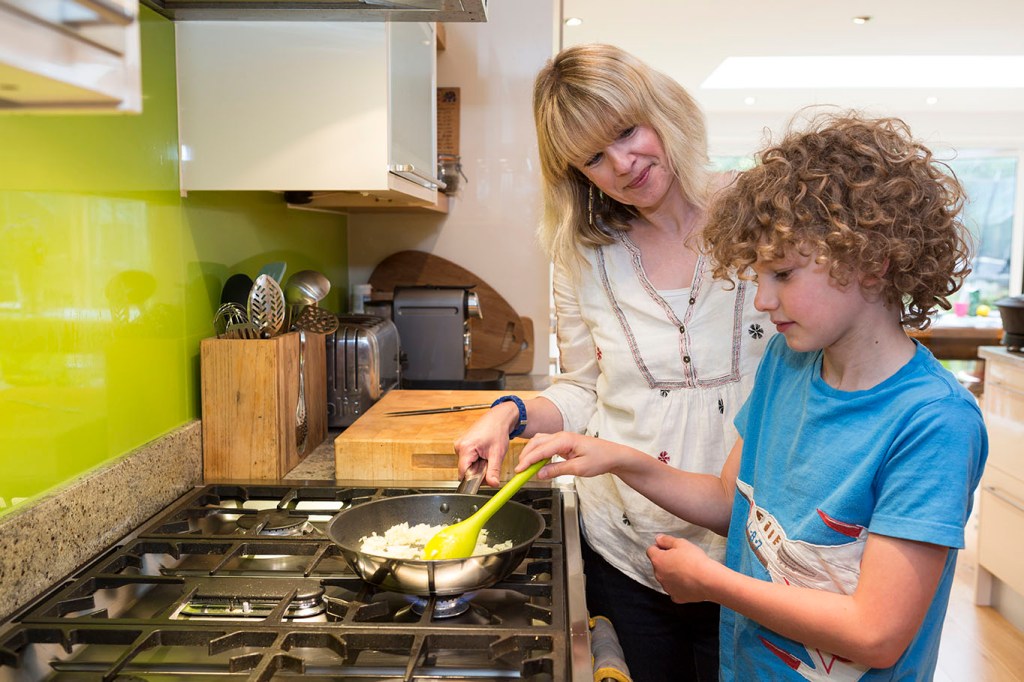
Maintaining your gas appliances properly is not just about safety—it’s about efficiency and longevity. To keep your appliances in good condition, consider the following tips:
- Annual Servicing: It’s essential to have your gas appliances serviced annually by a Gas Safe registered engineer like MPK. Regular servicing ensures that your boiler, cooker, or fire is running efficiently, safely, and in line with manufacturer’s instructions.
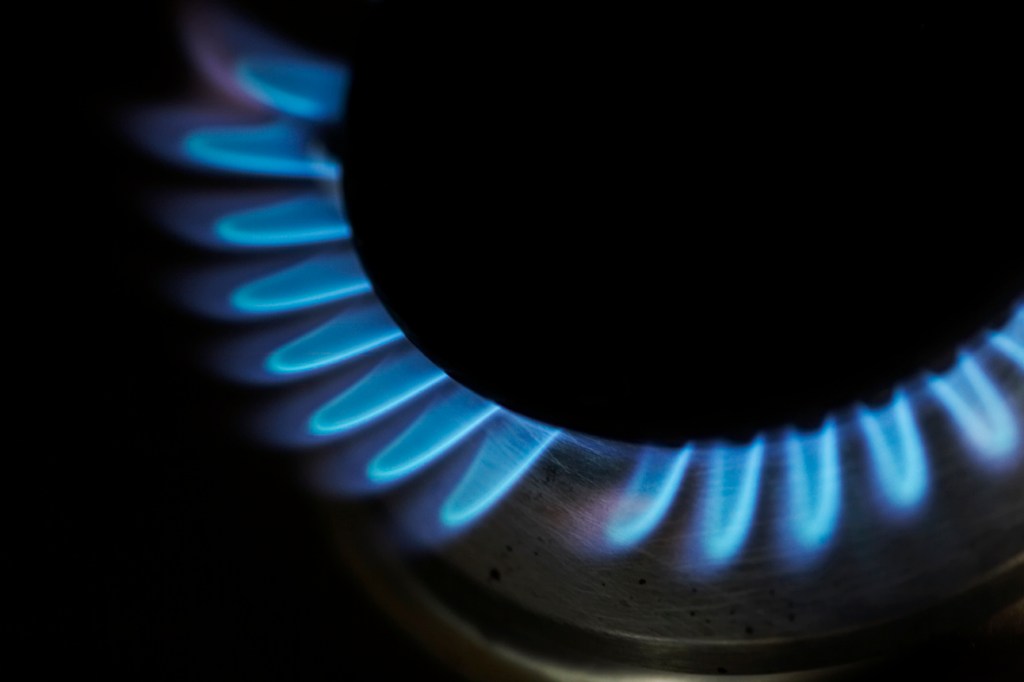
- Monitor Warning Signs: Always be alert for warning signs of faulty appliances. Yellow flames instead of blue ones, unusual smells, excessive condensation, and pilot lights that frequently go out are all signals that something may be wrong.
- Ventilation: Ensure your gas appliances have enough ventilation and that vents are not blocked. Good airflow is necessary for the safe operation of gas appliances.
Gas Safety Checks: What You Need to Know
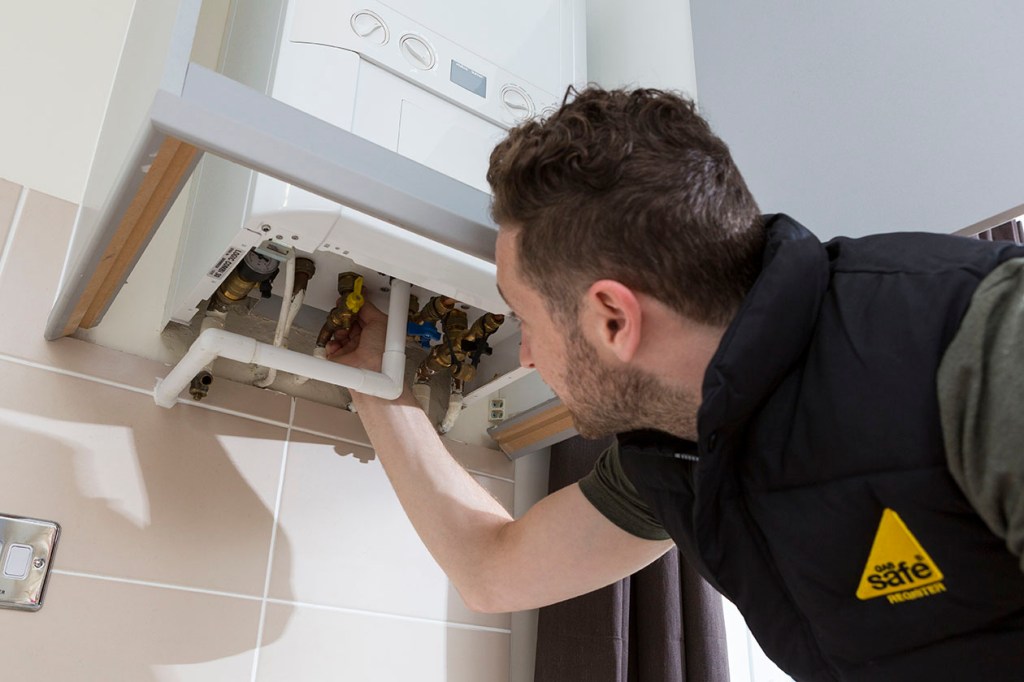
A crucial part of gas safety is arranging regular gas safety checks. Under UK law, landlords are legally required to have an annual gas safety inspection for rented properties. Homeowners are also encouraged to follow similar guidelines to ensure the safety of their household.
Here’s what’s typically included in a gas safety check:
- Check for Gas Leaks: Your gas engineer will inspect your appliances, pipework, and ventilation to ensure there are no leaks.
- Appliance Inspection: They’ll check if gas appliances are properly installed and in good working condition.
- Flue and Chimney Checks: Your engineer will ensure that fumes and gases are being safely expelled from your home.
- Carbon Monoxide Testing: This essential part of the inspection ensures that your home is free from harmful CO emissions.
Once the check is complete, homeowners and landlords will receive a Gas Safety Certificate (CP12) to confirm everything is in working order. For landlords, providing this certificate to tenants is a legal requirement.
Gas Safety Week: A Time to Act
Gas Safety Week 2024 is a timely reminder of the need for proper gas appliance care and regular checks. It’s also a chance to spread awareness about how to prevent gas-related accidents and ensure that all homes in the UK are safe. At MPK, we encourage everyone to take this opportunity to schedule a gas safety check, test carbon monoxide alarms, and review the condition of your gas appliances.
What You Can Do
Here are some simple steps to ensure your home stays gas safe:
- Check your engineer is Gas Safe registered: Always use a registered engineer to install, service, or repair gas appliances. You can verify this by checking their Gas Safe ID card or searching for them on the Gas Safe Register website.
- Install a carbon monoxide alarm: These alarms can save lives by alerting you to harmful CO levels before they become dangerous.
- Know the signs of CO poisoning: Be aware of the symptoms, which include headaches, nausea, dizziness, and breathlessness.
- Regular maintenance: Ensure your gas appliances are serviced annually, and arrange a gas safety check with professionals like MPK.
Final Thoughts
At MPK, we believe that gas safety is non-negotiable. Taking proactive steps to care for your gas appliances, conducting regular checks, and staying informed are essential parts of maintaining a safe home. As we mark Gas Safety Week from 9th to 15th September, let’s all commit to keeping our homes gas safe and protecting our loved ones from avoidable dangers.
If you haven’t had your gas safety check this year, get in touch with us at MPK to schedule an appointment with one of our Gas Safe registered engineers. Stay safe, stay informed, and let’s make gas safety a priority—this week and always.
Useful Resources
Here are some useful articles regarding gas safety;
 MPK Engineers Limited
Leave a comment