
A Guide for UK Households
With rising energy costs, many UK homeowners are seeking ways to reduce gas consumption without sacrificing comfort. One of the simplest yet most effective ways to cut down on your gas bills is by optimising the settings on your central heating programmer. When set correctly, your programmer will keep your home warm at the right times without wasting energy, helping you save on gas.
In this blog, we’ll explore how to set your programmer correctly, ensuring you heat your home efficiently and cut back on gas usage.
1. Understand Your Programmer
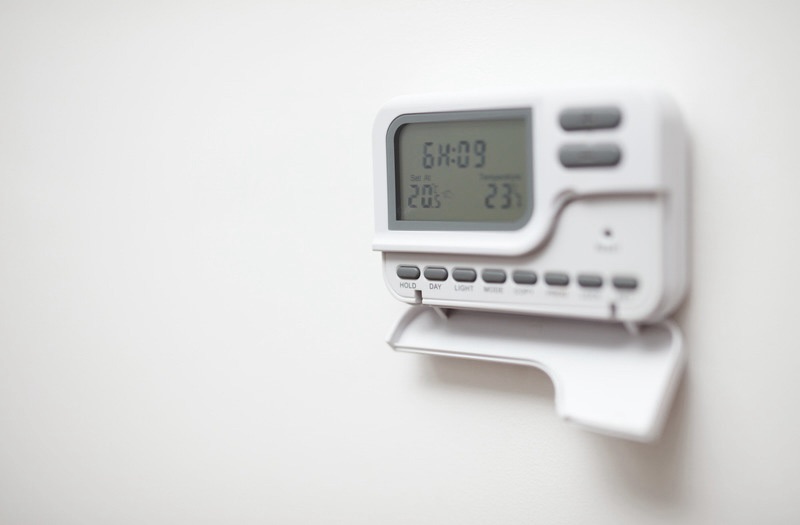
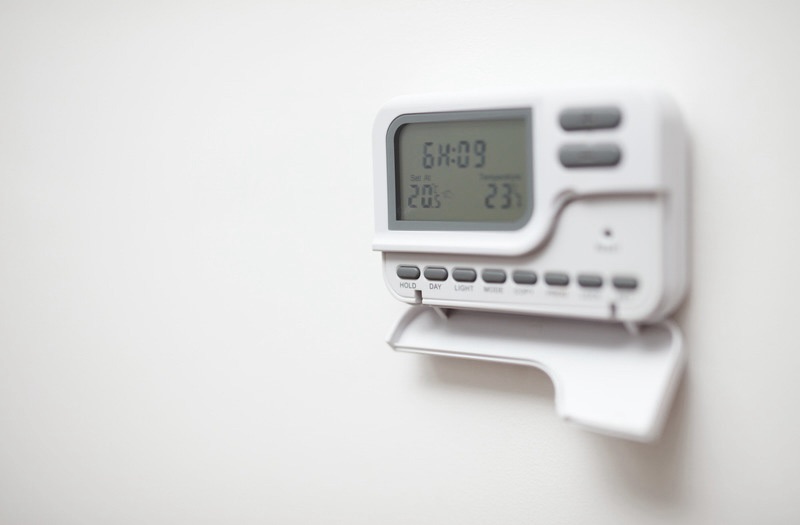
A central heating programmer allows you to control when your heating turns on and off. In most cases, you can set different times for weekdays and weekends, as well as separate times for the morning and evening. Some programmers allow for multiple time periods throughout the day.
There are two common types of heating programmers in the UK:
- Single-channel programmers for heating only
- Dual-channel programmers that control both heating and hot water
Before you start adjusting your programmer, take time to familiarise yourself with its functions. You should also know whether your system is a combi boiler or a conventional boiler, as the controls can vary slightly.
2. Set Your Heating Around Your Schedule
To save on gas, it’s essential to schedule your heating based on when you’re at home and active. The goal is to avoid heating your house when it’s unoccupied or when everyone is asleep.
Here’s a basic approach:
- Morning: Set the heating to come on 30 minutes before you wake up. This will ensure your house is warm when you get out of bed. Aim for around 18-21°C.
- Daytime: If your house is empty during the day, there’s no need to heat it. Set the heating to turn off shortly after you leave.
- Evening: Program the heating to come on about 30 minutes before you return home. This gives the house time to warm up by the time you arrive.
- Night: Switch off or lower the temperature during the night. You’ll save gas by keeping your house cooler while you sleep, as most people are comfortable at lower temperatures when tucked up in bed.
If you’re home during the day, consider using a lower daytime temperature, like 16-18°C, to maintain comfort without wasting energy.
3. Optimise Hot Water Heating
If your system includes a separate hot water tank, set it to heat water only when needed. For most households, having the hot water heat up once or twice a day is enough. You could set it to come on in the early morning and perhaps a second time in the evening.
If you find you often have surplus hot water, reduce the heating duration. On the other hand, if you’re running out of hot water regularly, slightly increase the heating time rather than keeping it on continuously.
4. Use the ‘Setback’ Feature
Many modern programmers come with a ‘setback’ or ‘frost protection’ feature. This allows you to set a minimum temperature for when the heating is off. For example, during the day when you’re out, you could set the setback temperature to 12-15°C. This prevents the house from getting too cold and ensures the system doesn’t have to work harder to warm up later. This feature is especially useful in winter, helping prevent frozen pipes while still saving on gas.
5. Zone Your Heating if Possible
If you have a zoned heating system, which is becoming increasingly common in UK homes, you can control the temperature in different parts of the house independently. This is an excellent way to save gas, as you can avoid heating rooms you don’t use often, like spare bedrooms or utility areas.
For example, you might want the living room and kitchen to be warm during the evening, but there’s no need to heat the bedrooms until you’re getting ready for bed.
6. Use a Room Thermostat Effectively
A room thermostat prevents your home from being heated unnecessarily. It works by turning the heating off once the room reaches your set temperature. To save on gas:
- Set the thermostat to the lowest comfortable temperature—typically between 18°C and 21°C. Each degree higher could add around 10% to your heating costs.
- Don’t set the thermostat too high to heat up the house faster. The boiler will warm your home at the same rate regardless of the thermostat setting, and cranking it up just wastes energy.
- Place the thermostat in a cool, consistent area, like the hallway or a living room, away from direct sunlight, draughts, or radiators. If it’s in a particularly warm spot, it may turn off the heating too early.
7. Consider Smart Thermostats

Smart thermostats, such as Hive or Nest, allow you to control your heating remotely via a smartphone app. You can adjust the temperature based on your changing schedule, so if you’re coming home earlier or later than expected, you can tweak the settings in real time.
These systems often have learning features that adapt to your routines, making the process of saving energy even easier. Although they come with an upfront cost, the long-term savings can be substantial as they help optimise your gas usage more precisely.
8. Take Advantage of Holiday Settings
Many modern programmers have a holiday mode, which allows you to reduce heating when you’re away from home for an extended period. Set your heating to a lower temperature, such as 12°C, to avoid wasting gas while preventing the pipes from freezing during cold weather. Make sure your programmer is set to return to your normal schedule before you arrive back, so you return to a warm home.
9. Insulate and Draught-Proof Your Home
Even with the perfect programmer settings, you won’t see significant savings if your home is poorly insulated. Ensure your loft and walls are properly insulated, and seal any draughts around windows, doors, and floors. This will help your home retain heat, meaning the heating system doesn’t need to work as hard to keep your home at a comfortable temperature.
10. Regular Boiler Maintenance
A well-maintained boiler is essential for efficient heating. Make sure your boiler is serviced annually by a Gas Safe registered engineer. A clean, well-maintained boiler will run more efficiently, use less gas, and be less prone to costly breakdowns. Read more about this in our guide: Why Checking Your Boiler’s Pressure Can Help You Avoid Call-Outs
Final Thoughts
Properly setting your heating programmer is one of the simplest ways to reduce your gas usage and lower your energy bills. By tailoring your heating to your daily schedule, avoiding wasteful practices, and making the most of your system’s features, you can keep your home warm and comfortable while saving money. Combine these tips with smart thermostat use and proper home insulation, and you’ll see even greater savings.
Taking control of your central heating system is a smart move for both your wallet and the environment. With energy prices continuing to rise, there’s never been a better time to make sure your programmer is working for you, not against you.
 MPK Engineers Limited
Leave a comment