
Your boiler is one of the most important appliances in your home, providing heating and hot water throughout the year. One common issue that can disrupt its efficiency is incorrect pressure. If the pressure in your boiler is too low or too high, it could stop working properly, leading to unexpected breakdowns and potentially expensive call-outs.
At MPK Engineers, we recommend that homeowners regularly check their boiler’s pressure as part of routine maintenance. In this guide, we’ll explain why it’s so important to keep an eye on your boiler’s pressure and show you how to do it yourself to help avoid unnecessary problems.
Why Boiler Pressure Matters
Boiler pressure refers to the pressure of the water inside your heating system. Most modern boilers work best when the pressure is between 1 and 2 bars when cold. If the pressure is too low, your boiler may struggle to heat your radiators or provide hot water. If the pressure is too high, it can cause leaks or even damage the system.
Boilers naturally lose a bit of pressure over time, so it’s normal to need to top them up occasionally. However, big pressure drops or increases could indicate a problem.
Benefits of Checking Your Boiler’s Pressure Regularly:
- Avoid Costly Call-Outs: Low boiler pressure is one of the most common reasons for a boiler to stop working. By spotting pressure issues early, you can often fix the problem yourself and avoid the need to call out an engineer.
- Extend Your Boiler’s Lifespan: Maintaining the correct pressure helps your boiler run efficiently, reducing wear and tear on its components and helping it last longer.
- Consistent Heating: Incorrect boiler pressure can result in uneven heating or no heating at all. Keeping the pressure at the right level ensures your home stays warm and your hot water system runs smoothly.
How to Check Your Boiler’s Pressure
Checking your boiler’s pressure is straightforward and doesn’t require any special tools. Follow this simple guide to make sure your boiler is within the recommended pressure range.
1. Locate the Pressure Gauge
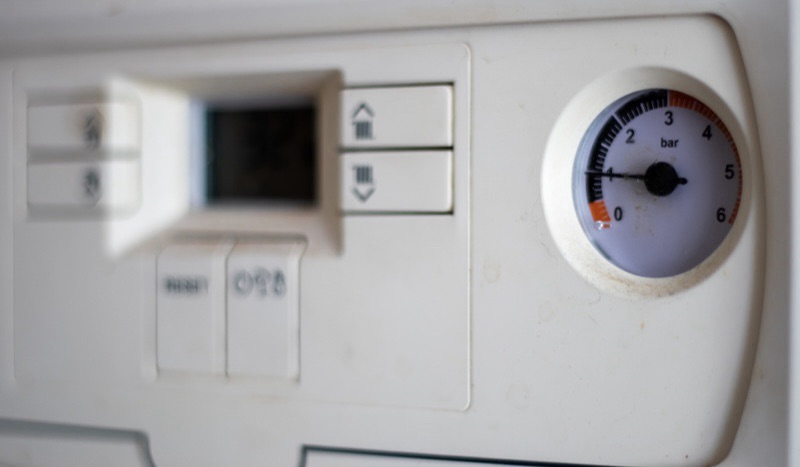
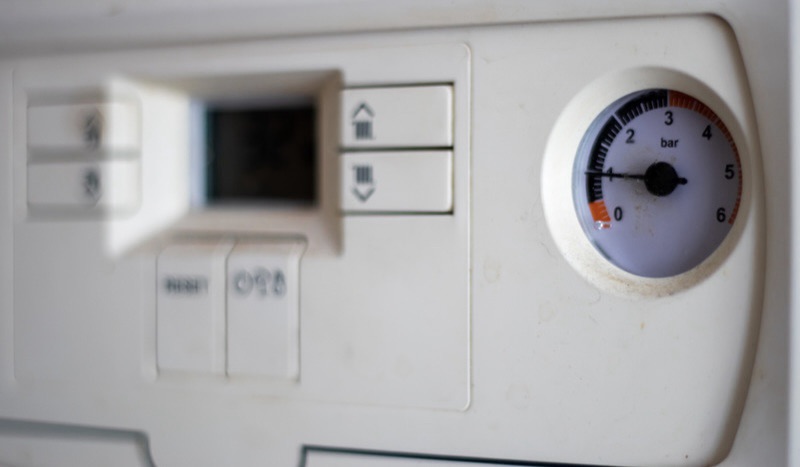
Most modern boilers have a pressure gauge on the front. It’s usually a circular dial with numbers running from 0 to 4. The needle on the dial shows the current pressure level.
2. Understand the Reading
When your boiler is off or cold, the pressure gauge should show a reading between 1 and 1.5 bars. This is the ideal pressure range for most systems.
- Low Pressure (Below 1 Bar): If the pressure drops below 1 bar, your boiler may not work efficiently and could stop altogether.
- High Pressure (Above 2 Bars): If the pressure is above 2 bars, it could put strain on the system and lead to leaks.
3. How to Increase Low Boiler Pressure
If your boiler’s pressure is too low, you can usually fix it by topping up the water in the system:
- Turn Off the Boiler: Always make sure the boiler is turned off and has cooled down before you start.
- Locate the Filling Loop: The filling loop is a flexible silver hose beneath the boiler. It has two valves, one at each end.
- Open the Valves: Slowly open both valves by turning them counter-clockwise. You should hear water flowing into the system.
- Monitor the Pressure: Keep an eye on the pressure gauge as it rises. Once it reaches between 1 and 1.5 bars, close the valves by turning them clockwise.
- Turn the Boiler Back On: Your boiler should now be running at the correct pressure.
4. How to Reduce High Boiler Pressure
If the pressure is too high, you can lower it using one of these methods:
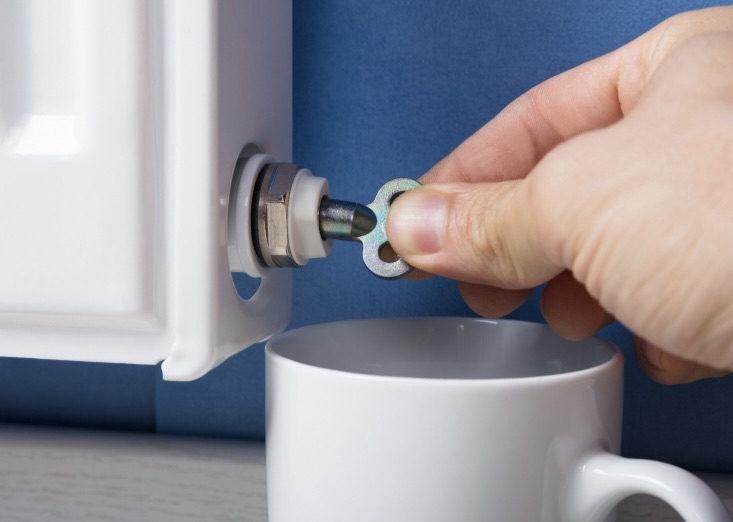
- Bleed the Radiators: Bleeding your radiators releases some water from the system and can lower the pressure. Use a radiator key to let out a small amount of water until the pressure gauge shows the correct level.
- Use the Pressure Relief Valve: Some boilers have a pressure relief valve that you can use to safely release excess pressure. Check your boiler’s manual for instructions.
5. When to Call a Professional
If you notice that your boiler’s pressure keeps dropping or rising significantly after you’ve adjusted it, this could indicate a more serious issue such as a leak or a problem with the pressure release valve. In these cases, it’s best to contact a professional gas engineer for advice.
Takeaway
By regularly checking your boiler’s pressure, you can avoid unnecessary call-outs and keep your heating system running efficiently. It’s a simple task that only takes a few minutes but can save you from the hassle and expense of a boiler breakdown. If your boiler’s pressure continues to fluctuate or you’re unsure how to fix it, get in touch with MPK Engineers for expert advice and repairs.
Keeping on top of your boiler’s pressure will help ensure it runs smoothly, safely, and efficiently all year round.
#BoilerMaintenance #BoilerPressure #MPKGasEngineers #HomeHeating #GasSafety #DIYBoilerCare


Leave a Reply